Entry · Ref ANELQLB2
Spring, TX Technique First: condition1combat.com martial arts classes
- Posted
- 2026-10-22
- Last amended
- 2026-10-22
- Account
- @simonizhu964
Technique decides outcomes. Power matters, conditioning matters, but when you are tired, stressed, or surprised, only clean technique holds up. That is the backbone of training at Condition 1 Combat Center in Spring, TX, and it is a principle that carries across age groups and goals. Whether you are a parent bringing a first grader to try their first kids class or an adult shaking off desk hours to learn how to defend yourself, a technique first mindset builds real skill without shortcuts.
What technique first actually means on the mat
I have coached in rooms that push sweat for the sake of sweat and in rooms where coaches explain one move for thirty minutes, then call it a day. Neither extreme produces reliable self defense. At Condition 1 Combat Center, you will notice a rhythm that prioritizes mechanics before intensity. The warm up is not a bunch of random burpees. You see movement patterns that feed the day’s lesson, like hip bridges before guard retention work, or pummeling before clinch takedowns. The conditioning comes, but it is tied to the specific techniques you are learning.
For example, during a session focused on defensive framing from the ground, you might see a coach break the movement into anchors: elbow-knee connection, frame placement on the hip line, foot on the hip for space, then the technical stand up. Students drill each anchor with slow tempo and tactile feedback. Only after consistent repetitions do they add resistance. The push only climbs when the body knows where to go. That hierarchy prevents sloppy habits and builds confidence that translates to stress.
The value of a Spring, TX training community
Spring has a varied training crowd. Oil and gas professionals, teachers, medical staff, high school athletes, and lots of parents who split time between work and youth sports schedules. This matters because your training partners are not caricatures of fighters. They are people with real lives who need practical skills that tolerate chaos, not just ring rules. The mix keeps ego low and accountability high.
Condition 1 Combat Center martial arts classes pull from that community. In a Tuesday evening striking class, you might pair with a nurse who wants faster footwork and a retired Marine focused on keeping his hands up during counter drills. The coach ties the details to scenarios you actually face in parking lots and doorways, not just inside ropes. It is a grounded environment with a clear priority on getting students safe and skilled, not just flashy.

How the curriculum flows
Classes follow a layered progression rather than a random shuffle. Early weeks cover stance, base, and frames. Mid curriculum drills connect skills across ranges, like moving from clinch to takedown to positional control on the ground. Later phases add stress testing, controlled sparring, and scenario work. Adults and kids see this logic at age appropriate levels.
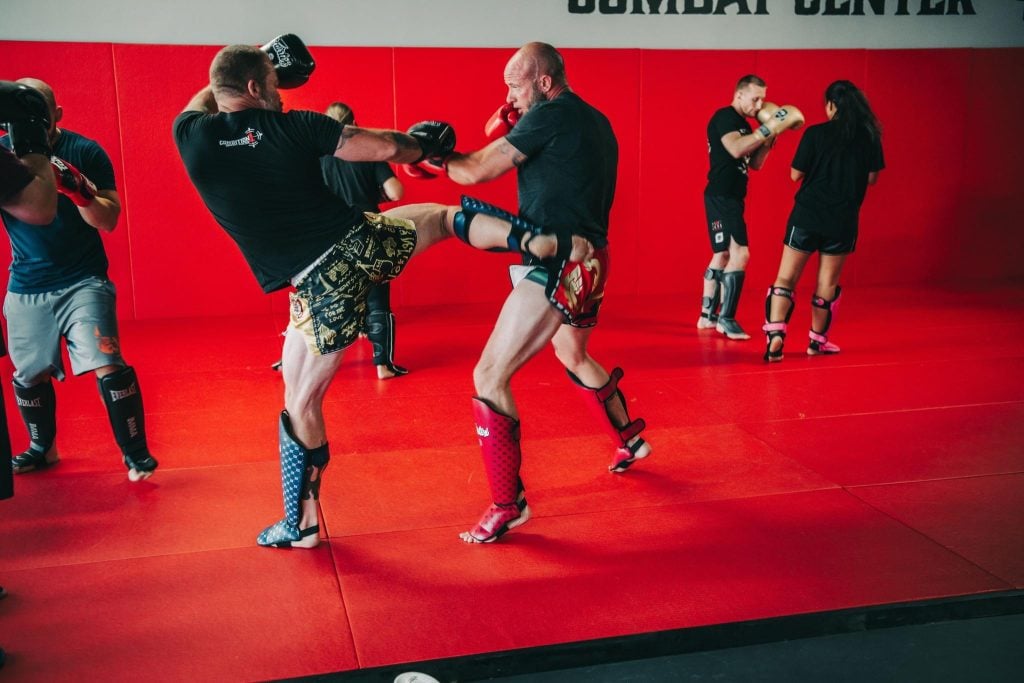
The striking program teaches you to fight out of a balanced stance that protects your chin and hips. You learn to slip with your feet, not your neck. Kicks start with chamber mechanics and alignment through the hip. Elbows and knees come later, and only after you can cover and exit without turning blind. The grappling path starts with posture, hip movement, and guard retention. Submissions are added once escapes and positional control become second nature. That order may feel slow at first, yet it saves you months of unlearning.
When visitors search for condition1combat.com martial arts classes, they usually want clarity on results and structure. Expect instruction that moves from mechanics to timing to pressure testing. Expect coaches to explain why each move lives in the sequence. That is the signature of a technique first room.
A closer look at adult self defense training
Self defense triggers a lot of noise online. Gimmicks sell because they promise speed without depth. At the gym, reality sets the pace. Adult classes include technique cycles around the problems you are most likely to face.
A Wednesday block might center on anti-grab defense. You learn to strip grips at the wrist using rotation, then secure frames against the chest to prevent a body lock. Pressure builds with a controlled shove that pushes you toward a wall. The skill is not a movie scene. It is footwork, angle, and the technical stand up done under time pressure. That is what you get in condition1combat.com self defense classes, and it is why students trust the process.
Another cycle might cover ground safety when strikes are involved. Traditional grappling teaches you to chase positions and submissions. Self defense grappling adds nogi posture control, head protection, and stand up options. You practice throwing elbows and hammer fists from safe positions only after you can stabilize the torso and avoid headbutts in tight space. The focus stays on surviving the first five seconds of chaos, then building order.
Searchers looking for self defense classes condition1combat.com want to know if they will spar. The answer is yes, but it is progressive and structured. Beginners practice technical sparring with limited targets to build comfort and timing. Intermediate students add variables, like a clinch start or a short wall. Advanced students earn full rounds under clear rules, coached and timed to prevent brawling. The result is a room that hits hard when appropriate, yet keeps people healthy and progressing.
The kids program, without shortcuts
Kids learn differently. You cannot grind a 9 year old through an adult lesson plan and expect retention. Condition 1 Combat Center kids martial arts classes use games and challenges that reinforce key shapes, not memorize long sequences. A coach might set up a “turtle tag” game to teach base and posture, where students have to keep knees under hips and elbows tight while partners try to tip them. The skill sticks because it is felt, not just explained.
Parents ask about discipline and confidence all the time. Here is how those qualities actually develop. Discipline is consistency under a clear standard. Coaches teach kids to line up, respond to commands, and reset quickly after a mistake. Confidence grows when a child sees a problem, applies a taught solution, and succeeds more often than not. When a shy student learns to break a grip, pivot, and create distance, the look on their face says more than any marketing line. Kids martial arts Condition 1 Combat Center is built around those wins.
Class safety and etiquette matter. Bullying is addressed through role play and coach-led discussions, not lectures. Kids learn when to walk away, when to assert a boundary, and when to seek help. That is the heart of condition1combat.com kids martial arts and why families in Spring stick with it beyond a single season.
Technique under fatigue, the honest test
Any movement works when you are fresh. Technique first training earns its keep when you are winded. In a typical adult session, the final 10 minutes convert your learned mechanics into decisions under stress. Think of a timed circuit that forces you to maintain a high guard while moving laterally, then sprawl, then recover into a stance before throwing a short, accurate combination. Coaches do not yell for more reps just to spike heart rates. They demand clean technique at pace. When form breaks, you reset rather than push through bad habits.
This approach pays dividends in real self defense. Panic makes people stiff and narrow. Good technique keeps you balanced and expandable. Your chin tucks by habit. Your hips eat force, not your spine. Your hands find frames without guessing. These are not flashy takeaways, but they are the skills that actually keep you off the asphalt.
Women training for skill, not pink-washed promises
Women often walk into a gym after a bad experience elsewhere. They have endured patronizing instruction or drills that do not match real threat patterns. At Condition 1 Combat Center, the same technique first logic applies, and it is paired with training partners who respect space and intent. Drills address hair grabs, wrist snatches from behind, and clothing grips, because those are common assault vectors. Students practice voice commands, boundary setting, and fast exits, along with knee shields and hip escapes on the ground.
What you will not see is a parade of untested tricks. Coaches teach, then test. Women partner with reliable students, preview contact levels, and build to resistance. The goal is not toughness theater. It is survival competence and optional performance, delivered through repeatable movement.
What to expect in your first week
- A short orientation that covers rules of the mat, safety cues, and how to tap if something hurts
- Fundamental stance and footwork before any heavy contact, with 15 to 25 minutes of technique drilling
- Controlled partner work with clear roles, usually feeder and responder, to keep learning focused
- Light conditioning tied to movements you learned, like sprawls linked to takedown defense
- Specific next steps, including which beginner classes to attend and how to track progress
These first contacts set the tone. You will not be thrown into the deep end. You will also not be coddled. The balance helps beginners stay consistent long enough to experience hard-earned improvements.
Equipment, without the guesswork
- Mouthguard that fits and allows easy breathing
- 4 to 6 ounce MMA style gloves for mitts and light technical sparring, or 14 to 16 ounce boxing gloves for heavier rounds
- Shin guards with full coverage to protect partners during kick drills
- Rash guard and shorts without pockets or zippers for grappling
- A small notebook to record lessons, partners, and cues that clicked
If you do not have gear on day one, the staff will help with loaners and purchasing guidance. Showing up ready to learn is more important than a perfect kit.
Building better partners, not just better athletes
Technique first rooms create better partners. You learn to give the right stimulus so your partner can practice the right skill. That might mean providing active resistance on the second beat of a combination rather than the first. It could be increasing pressure only after your partner demonstrates clean movement three times in a row. Coaching cues like hand fighting with intent, resting in position not posture, and resetting breathing while defending are common. These are small professional touches that prevent injury and speed learning.
Over months, these habits shape how students relate to each other. A beginner walks in and immediately receives predictable, supportive feedback. Intermediates sharpen their timing without smashing, because partners understand when to increase force. Advanced students stay honest through focused rounds that test edges without gambling with safety. It is a culture, not an accident.
The role of sparring and scenario training
Sparring is not a badge of honor. It is a laboratory. At Condition 1 Combat Center, sparring is baked into the curriculum at the right dose and the right time. New students start with positional sparring, like trying to escape side control for 30 seconds while a partner applies measured pressure. Strikers practice limited target rounds, for instance, body only or jab only, to emphasize footwork and range. Only when a student demonstrates control and composure do they add pace, power, and open targets.
Scenario training adds messy variables. You might work near a wall, in low light, or with limited space to move. Verbal skills enter the picture. The ability to say, “Back up,” with volume muay thai spring tx and clarity while you manage your hands and feet is a skill like any other. For some students, this is the hardest part, and the staff treats it with the seriousness it deserves. When people search for Condition 1 Combat Center martial arts classes, they are often hunting for this balance between form and reality, and the school delivers it without veering into theater.
For athletes crossing over
Spring has strong high school athletics in football, baseball, and track. Those athletes often try martial arts in the off season. The transfer is real, yet technique still rules. A running back might crush pad work with raw explosion, then struggle to decelerate into a stance that protects his chin. A cross country runner can move all day, but needs to learn how to sit on punches without losing foot speed. Coaches train to the athlete’s strengths while fixing blind spots. Mobility work targets hips and thoracic spine to support head movement and rotational power. That is practical, not trendy.
For grappling crossovers, wrestlers excel at takedowns but may expose their neck in nogi scrambles. The staff addresses posture, head position, and hand fighting detail by detail. You do not erase a wrestling base. You refine it to survive punches and submissions.
How progress is measured
Belt colors and attendance streaks are not the only markers. In technique first programs, progress shows up in timing, composure, and repeatability. Can you execute a technical stand up six times in a row under light pressure, then do it when you are tired? Can you maintain a balance of offense and defense in a 90 second round, or do you overcommit and get stuck? Do you return to stance automatically after a combination?
In my notes, I urge students to track three numbers: rounds finished with composure, successful escapes from bottom under time pressure, and clean entries to a clinch without eating a counter. Over four to eight weeks, those numbers climb if you are doing the work. The staff pays attention to those signals and adjusts your training block accordingly.
Safety standards that earn trust
Accidents happen, but culture prevents most of them. Here are a few habits you will notice quickly. Coaches insist on mouthguards during partner striking. They monitor emotional temperature and split rounds if power creeps up. Students learn to call time for equipment checks and to tap early on submissions. Gloves and pads are checked and cleaned. Mat hygiene is non negotiable. None of this is glamorous, yet it keeps bodies healthy and families confident in their choice.
Parents appreciate this most in kids classes. Techniques are taught with shock absorption in mind. For takedowns, kids learn to fall safely before they learn to throw. Impact is introduced gradually with crash pads and close coach supervision. That way, growth is steady, not stop and start due to preventable injuries.
Pricing, schedules, and expectations
Schedules shift seasonally, and pricing can change with membership options, so your best move is to check the official site at condition1combat.com or call the front desk. From experience, most students do best with two to three classes per week for the first three months. That is enough frequency to reinforce habit without burning out. Adults often combine one striking day and one grappling day, then add a third block as they adapt. Parents frequently set a consistent pair of days for kids to tie training to routine.
If you are weighing investment against value, remember this: you are purchasing a skill, not a set of workouts. The goal is capability. Technique first training pays off when your brain stalls and your body needs to act. That is the return you measure.
A sample week that shows the flow
Picture a student named Luis, mid 30s, works in The Woodlands, two kids in elementary school. He trains Monday and Thursday evenings.
Monday, he hits a striking class focused on jab entries and off-line angles. Warm up is jump rope, shoulder mobility, and stance mirrors. Technical block drills head position on jab, step outside the lead foot, and finish with a cross to the body. Partner rounds restrict combinations to emphasize footwork. He finishes with two light technical rounds where the goal is exit on balance. He leaves sweaty, but his brain is dialed in.
Thursday, he attends a self defense grappling session. Warm up is hip escapes, technical stand ups, and partner pummeling. The lesson centers on defending a body lock against the wall. Coaches break it down: wedge a forearm at the collarbone, step the hips off line, and switch head position before reversing or escaping. Luis practices at low speed, then moderate. Final minutes are scenario reps where a partner starts with a light shove. He finishes tired, but his movements hold shape. That is progress.
Stack weeks like this for two to three months, and the change in posture, breathing, and decision making becomes obvious.
Why families stick with it
Families do not stay for years because of a single free trial. They stay because the classes make sense, the coaching is consistent, and the results are visible. Kids learn to focus better at school and handle rough play with calm. Adults feel less anxious in uncertain environments. Everyone in the household shares a vocabulary for safety. You will hear parents at the sideline say, “Hands up, frame, move to space,” and kids will know what that means. That is the ripple effect of a technique first training environment like the one at Condition 1 Combat Center.
The school also understands seasons. During holidays and sports cycles, attendance dips. Coaches help students maintain a minimum dose of training so they do not fall off the map. They suggest home drills, breathing work, and short shadowboxing scripts. That care builds trust.
If you are brand new, here is how to start
Check the site, condition1combat.com, and choose a beginner friendly slot. Arrive early, meet the staff, and share any injuries. Commit to four weeks, not four days. Track your sessions in that notebook you brought, noting partners and cues. Ask one question per class. If you are a parent, stay for a session and watch how coaches handle corrections and praise. You will learn as much about the culture as the curriculum.
Those looking for martial arts classes condition1combat.com or Condition 1 Combat Center adult martial arts training will find a method built for retention, not hype. The room prizes details like chin position in the pocket, bony frames instead of soft grips, and breathing that supports recovery between exchanges. It is not flashy marketing. It is repeatable skill.
Final thoughts from the mat
Spring, TX has plenty of ways to break a sweat. Few convert that sweat into skill as consistently as a technique first program. Condition 1 Combat Center martial arts offers that path, for kids who need structure and confidence, and for adults who want practical self defense without theatrics. If you want a place where instruction is specific, partners are accountable, and results show up in how you move and decide under pressure, make the visit. The first session will feel approachable. The fifth week will feel different in your bones. That is the work paying off, and it is what keeps people walking back through the door.
Searchers typing martial arts classes Condition 1 Combat Center, kids martial arts Condition 1 Combat Center, or adult martial arts training condition1combat.com are all looking for the same thing beneath the keywords: dependable instruction that holds up when it counts. You will find it on the mats, one clean rep at a time.