Entry · Ref ISX_O324
Spring, TX New Member Specials: Condition 1 Combat Center martial arts classes
- Posted
- 2026-10-08
- Last amended
- 2026-10-08
- Account
- @simonizhu964
If you live in or near Spring, TX and you have been thinking about trying martial arts, new member specials at local academies are the best, lowest-risk way to get moving. Condition 1 Combat Center has built a reputation around practical training, accountable coaching, and a community that welcomes beginners without watering down the work. When you pair that with a well-structured intro offer, the barrier to entry gets much lower. You get to test the schedule, meet the coaches, and feel the training floor for yourself before you commit.
I have worked with students who finally stepped onto the mats after months of hesitation. Most of them say the same thing an hour later: they wish they had started sooner. The right trial helps, especially if you want to see how your knees feel during stance drills, whether your kid stays engaged during pad work, or how the commute fits your week.
This guide breaks down how to make the most of Spring, TX new member specials at Condition 1 Combat Center, what to expect in different class tracks, and how to evaluate fit without pressure. You can always confirm current promotions and class times on condition1combat.com, but it helps to understand the moving parts before you click register.
What “new member specials” really mean
Martial arts promotions get marketed with catchy names, but under the hood they are practical tools. A strong intro offer should give you enough time, structure, and coaching contact to make a good call. Look for value that goes beyond a single drop-in.
Here is what a thoughtful new member special typically includes at a quality academy:
- A fixed trial period with unlimited or set-number classes so you can sample multiple sessions and instructors.
- A short orientation or beginner workshop to cover safety, etiquette, and baseline technique.
- Loaner gear or a rental option so you do not need to buy gloves or a gi on day one.
- A goal-setting check-in, either at the start or end of the trial, to identify what success looks like for you.
- A clear path from trial to membership, with transparent pricing and no surprise fees.
Condition 1 Combat Center tends to align with this approach. If you are exploring classes through condition1combat.com martial arts or self defense classes pages, pay attention to whether the offer gives you meaningful exposure rather than a single class. One week rarely tells the full story. Two to four weeks, with multiple visits, shows you how consistent coaching feels at speed.
The training tracks you will actually use
Condition 1 Combat Center martial arts classes serve different goals. Many students rotate through two tracks, for example a striking class during the week and a grappling session on weekends, then add a focused self defense workshop every few months. Others bring their kids and stay for their own class afterward. The point is to align programming with your outcomes, not buzzwords.
Kids martial arts, ages 5 to early teens, builds movement literacy, attention, and resilience. Look for structured classes that progress from footwork to basic striking or grappling entries, with heavy attention to safety and partner control. In my experience, kids improve fastest when coaches enforce consistent standards and use short, focused rounds. If you are searching for Condition 1 Combat Center kids martial arts on condition1combat.com, check that the kids schedule is stable, not constantly shifting. Consistency reduces dropout.
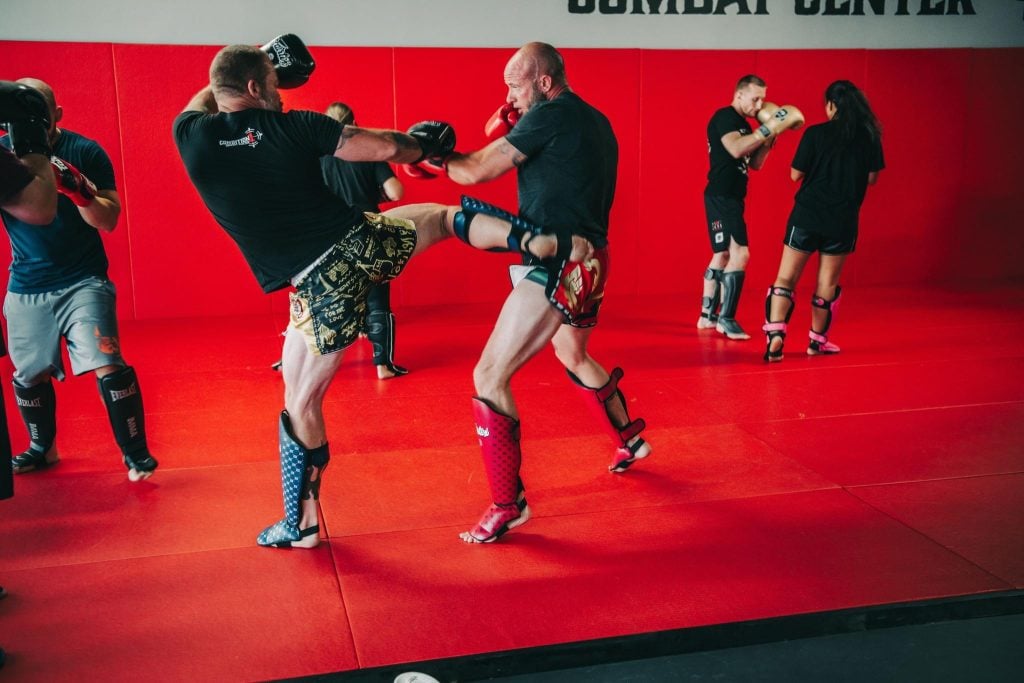
Adult striking, whether it leans boxing, kickboxing, or mixed striking, pushes conditioning and timing. Expect stance drills, defensive frames, pad work, and partner rounds under coach supervision. You should sweat, but also have clear technical checkpoints. If your goal is general fitness plus practical skill, adult martial arts training Condition 1 Combat Center classes cover plenty. If you want to compete, ask coaches how the pathway looks. The best rooms support hobbyists and competitors without mixing them carelessly.
Adult grappling, often based on jiu-jitsu or a no-gi format, rewards patience and positional awareness. White belts worry they will be in the way. A good fundamentals class prevents that. You start with posture, frames, hip escapes, and controlled entries to takedowns. Then you roll at a pace that matches your skill. Grappling progress is slower to feel day by day, but over six to eight weeks you will see clear milestones: better breathing under pressure, smarter grips, and fewer scrambles that end in bad positions.
Self-defense classes round out sport training with situational context. The better programs pair mechanics you drill in regular classes with scenario work, such as verbal boundary setting, escape from common holds, or improvised defense within tight spaces. When you read about self defense classes condition1combat.com, look for curriculum that ties back to core skills rather than stand-alone tricks. Flashy moves are not the point. Repeatable basics under stress are the point.
The mix you choose will depend on your schedule and why you started. If you are returning from a back injury, grappling might need careful modification at first. If you are cardio-limited, striking intervals can be scaled so you build capacity without throwing form away. If you are looking to train with your teenager, ask whether there is a family-friendly session where teens and adults share the floor. It is easier to stay consistent when your routine fits the rest of your life.
What a first week often looks like
Most adults feel awkward on day one. That is normal. A good intake eases you in. You arrive early, sign the waiver, and get a quick tour. Coaches ask about prior sports, injuries, and your goal for the next month. If the trial includes loaner gloves or a gi top, you grab a clean set and learn how the academy handles gear return. Beginners usually start on a separate side of the mat for the warm up, then join the main group when mechanics are clear.
First drills are simple under pressure, such as stance and guard for striking, or shrimping and bridging for grappling. You should receive corrections that are specific and actionable. “Keep your right elbow tight to the ribs, exhale on the jab” teaches more than “hands up.” Most rooms pair novices with patient partners, often senior white belts or blues in grappling, or intermediates in striking. You finish with a cool down and a reminder of the next class time. It is not complicated. It does need to be consistent.
For families, the kids class is run up front with firm boundaries. A short story or rule-of-the-day helps younger students settle in. When a coach corrects one student, they often use it to teach the whole line. Good kids coaches balance positive reinforcement with consequences for sloppy effort. Your child should leave with a small win they can describe, like a stance detail or a safety word for partner work.
Safety, coaching style, and the Spring, TX factor
Spring sits at a busy crossroads, with families, shift workers, and commuters juggling long days. Safety and time management matter. Condition 1 Combat Center martial arts classes should show a few non-negotiables: clear tap rules in grappling, controlled contact in striking, attention to hydration, and rapid cleanup of any spills. Watch how coaches scan the floor. The best coaches see a bad angle or rising intensity early and discover more reset partners before mistakes turn into injuries.
Coaching style also matters. In some rooms, the head coach teaches almost every class. In others, senior assistants carry fundamentals and the head coach focuses on advanced rounds. There is no single right model, but you should feel like your progress is tracked. If you mention that your left shoulder is cranky, the next session should include a brief check-in. Adults stay when they feel seen but not micromanaged.
Parking, traffic, and transitions matter more than most people admit. If the academy is five minutes off your route home, you show up. If it adds twenty minutes, you quit by week three. When you look at the schedule on condition1combat.com martial arts pages, place the class times against your real day. Spring traffic ebbs around school pickup and early commute windows. Early evening kids sessions and slightly later adult classes usually work well for families.
How pricing and commitments usually work
Intro specials rarely lock you into long contracts. That said, it is smart to understand the cost curve up front. You will typically see a few options:
- A short free or low-cost trial period, sometimes with a small fee that can be applied to your first month.
- Month-to-month memberships with a higher monthly rate but no long term commitment.
- Term memberships, often three to twelve months, with a lower monthly rate.
- Family plans that discount a second or third member in the same household.
- Gear costs, either purchased upfront or phased in as you decide to continue.
Numbers vary by facility and program focus. Striking gear for adults can range from 60 to 150 dollars for starter gloves and wraps, with optional shin guards later. A gi for grappling can run 80 to 160 dollars depending on brand. Some academies offer member pricing or starter bundles. A clean loaner policy during the trial helps you avoid early purchases while you decide.
Ask direct questions during your trial. Are there enrollment fees or just first month plus gear? Are freezes allowed during travel or busy seasons? What is the cancellation policy and notice period? You will not offend anyone by asking. Well-run gyms prefer clear expectations.
Evaluating quality without being a black belt
You do not need a decade on the mats to spot good training. A few signals help. Watch if coaches demonstrate techniques at speed and then break them into digestible steps. Check whether drilling partners rotate or stay locked for the whole hour. Small, frequent partner changes avoid skill plateaus and echo chambers. Look for equal coaching attention across genders and age groups. Ask a simple question and note how the coach answers. Short, crisp cues beat monologues.
In self defense focused sessions, technique chains should connect. If a class covers standing headlock defense, look for posture, frame, and hip positioning that mirrors your grappling and striking mechanics, not a one-off escape you never see again. Conditions change fast in real conflicts. Repeatable patterns under stress are more valuable than novelty.
Observe the culture at the edges. Do students line up for the bow in respectfully and leave the mat clean? Are advanced students mentoring without flexing on beginners? You are joining a room, not just a class. Culture keeps people training during tough weeks.
Kids programs that build skills beyond the mat
Parents sign their kids up to learn confidence, discipline, and how to move well. That only happens if the room holds standards. The better kids martial arts Condition 1 Combat Center classes use short segments, clear objectives, and a points or stripe system that means something. A random sticker for attendance is not the same as a stripe earned for demonstrating three stable stances and two breakfalls.
Games should have purpose. Relay races that build footwork and balance, partner drills that teach boundary respect, and light pad work that builds targeting and control. Sparring for kids is not a brawl. It is a structured exchange with time limits, safety gear, and immediate coach feedback. Parents can watch visible growth week by week. When kids hesitate in group sports, martial arts gives them a solo accountability path with teammates who support them. If you search kids martial arts condition1combat.com, focus on age group clarity and coaching ratios.
Self-defense that respects reality
There is a wide gap between movie choreography and what happens in a parking lot. Solid self defense classes condition1combat.com style address awareness first, then mechanics. You learn how to set verbal boundaries, how to move your feet, how to avoid getting pinned against a wall, and how to create space to leave. You also learn to calibrate force. Not every push requires a knockout. Adults need to understand legal and ethical dimensions, even if the class keeps the focus physical.
Expect scenario work to be uncomfortable in a useful way. Dim lighting, loud voices, and short bursts of effort simulate stress. A good coach builds this gradually. The goal is to leave with specific, practiced responses, not fear. Many adults add a self-defense class monthly while continuing regular striking or grappling. Over time the skills reinforce each other.
A realistic timeline for progress
People often ask when they will feel competent. In my experience you can count on a few markers:
- Within 2 to 3 weeks, basic stance, guard, and movement patterns feel less foreign. You know where to stand and how to breathe.
- By 6 to 8 weeks, you manage intensity better. You can complete rounds without panic and recall two or three techniques under pressure.
- Around 3 to 6 months, you start predicting common patterns. This is where training becomes intrinsically rewarding. You see your plan a half step ahead.
- After 12 months, you have a durable base. You know how to scale up or down, protect your joints, and help beginners start well.
These are broad ranges. Progress depends on consistency more than talent. Two or three classes a week pays compounding dividends. Condition 1 Combat Center martial arts classes usually offer enough schedule variety that adults and kids can hit that rhythm even during busy months.
How to make the most of your intro period
A trial is not just a discount. It is a stress test for your routine. Use it to check fit with your goals, energy, and calendar. Small adjustments early prevent burnout later.
Try this simple approach:
- Block your training times in your calendar as if they were appointments you cannot miss.
- Tell a friend or partner you are trying a month and ask for accountability.
- Log what you learn after each session, two or three bullet points max.
- Ask one question per class. It keeps you engaged and shows coaches you are invested.
- Set one outcome for the trial, like attending six sessions or learning a specific escape.
Notice that none of this depends on talent. It depends on habits. The right room will reinforce them.
What to pack and how to prep
Showing up prepared makes your first sessions smoother. A small gym bag with a few essentials saves time and prevents awkward moments.
Here is a compact checklist:
- Water bottle and a small towel for sweat.
- Comfortable athletic wear, plus a spare top.
- If striking, hand wraps and, once you commit, your own gloves.
- If grappling, a clean gi or no-gi attire that fits snugly.
- Flip flops for off-mat movement so the training surface stays clean.
Plan your meals so you are not training on a full stomach. Light carbs an hour before class help. After class, add protein and fluids. If you have a known joint issue, a short mobility routine during the warm up pays dividends. Communicate restrictions to coaches early. They will help scale drills safely.
Adults, competition, and the long game
Not everyone needs or wants to compete. Condition 1 Combat Center adult martial arts training can be sport-oriented without requiring you to step into a ring or onto a tournament mat. That said, a room that supports competitors often maintains sharper technique across the board. If the academy fields a small team a few times a year, you will likely benefit from elevated drilling standards. If competition talk turns you off, ask how training splits on those cycles. Many gyms run normal fundamentals on one side while competitors peak on another.
Adults who start in their 30s or 40s have to respect recovery. Three sessions a week with smart sleep and mobility often outperforms five sessions with chronic fatigue. Coaches should talk openly about periodization. The principle is simple: build capacity steadily, deload periodically, then layer intensity. It applies to hobbyists and athletes alike.
What separates a strong room from a good one
It is the boring stuff. On-time class starts. Clean mats, washed gear, and a posted sanitization protocol. Coaches who know your first name by week two. Clear rules about contact levels. A culture that welcomes questions without endless side chatter on the mat. And consistency. If the Tuesday 6 pm striking class is fantastic one week and chaotic the next, something is off.
I have seen average facilities with exceptional coaching outperform showy rooms with weak instruction. Equipment matters less than coaching eyes and standards. Students sense accountability. That is what keeps them paying dues after the honeymoon period.
Making the call
Whether you are browsing martial arts classes condition1combat.com for the first time or returning after years away, the checklist is simple. Does the trial give you genuine exposure? Do the class times fit your life? Do the coaches correct you precisely and keep the room safe? Does the culture make it easier to show up during hard weeks? If the answer is yes across the board, you have found your spot.

Condition 1 Combat Center martial arts classes cover the span from kids programs to adult striking, grappling, and practical self defense. You can approach it as a family activity, a personal discipline, or a way to build durability that carries beyond the mat. The right new member special lets you test the water with purpose, not guesswork.
If you are ready to take a look, visit condition1combat.com. You will find information on martial arts Condition 1 Combat Center programs, schedules, and contact options. Ask about current promotions for kids and adults, including any family plans. Clarify the trial structure, what gear is provided, and how to transition if you decide to continue. Then step in for a session. After that first class, most of the guessing stops. You will know if this room helps you move, think, and feel better.
A final word from the coaching side
Students remember how they felt during early classes more than the exact techniques. They remember if someone learned their name quickly, if the corrections made them sharper, and if the room felt safe. They remember small wins, like a jab that snapped cleaner or a bridge that finally cleared a pin. That is what carries them to month two and month three.
Condition 1 Combat Center adult martial arts training and kids programs share a baseline: high standards, real coaching, and community. A well-designed new member offer simply opens the door a little wider. Use it, take notes, ask questions, and choose based on experience, not marketing. The skills you build now will stick around longer than you think. And if your child beams while telling you what they learned in class, you will know you invested in something that matters.
From there, it is just sessions on the calendar and a steady path forward. Keep your feet under you, breathe through the work, and let consistency do its job.